Costco
Costco Rotisserie Chicken Lawsuits
Two proposed class actions concern Costco’s Kirkland Signature chicken products, one over alleged misleading “no preservatives” advertising and another over alleged undisclosed Salmonella risks. The sources checked on October 6, 2026 do not announce a court-approved settlement or a consumer settlement claim process. Purchasing the products does not guarantee eligibility or payment.
Key facts
Bought Costco’s rotisserie chicken and wondering whether you can claim money? There are two separate proposed class actions involving its chicken products, but the sources checked on October 6, 2026 do not announce a court-approved settlement, a payment amount, or a settlement claim deadline.
What does the labeling lawsuit allege?
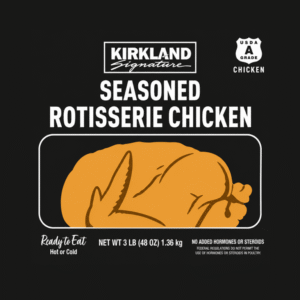
Johnston et al. v. Costco Wholesale Corporation et al. challenges “no preservatives” advertising for Kirkland Signature Seasoned Rotisserie Chicken. The plaintiffs allege that sodium phosphate and carrageenan perform preservative functions and that the advertising misled buyers. The case was filed on January 22, 2026, in the U.S. District Court for the Southern District of California under case number 3:26-cv-00403-AJB-AHG.
Costco disputes that theory. According to June 8, 2026 reporting by The Seattle Times, republished by The Spokesman-Review, Costco argued that the ingredients are not classified as preservatives under FDA regulations and asked the court to dismiss the claims. That is Costco’s position, not a verified ruling on the motion. The allegations should not be read as findings of wrongdoing.
What does the separate chicken safety lawsuit allege?
Taylor v. Costco Wholesale Corporation concerns Kirkland Signature rotisserie and raw chicken products. The complaint alleges that Costco failed to disclose risks associated with Salmonella contamination in its poultry supply. It was filed on February 12, 2026, in the U.S. District Court for the Western District of Washington under case number 2:26-cv-00528. The allegations do not establish that a particular chicken purchase was contaminated or that Costco is liable.
Which buyers do the complaints seek to represent?
The original Johnston complaint proposes a nationwide group of rotisserie chicken purchasers and a California subclass. The original Taylor complaint proposes a group of U.S. purchasers, including those in U.S. territories, who bought Kirkland Signature rotisserie or raw chicken for personal or household use. It describes a period beginning January 1, 2019 and continuing to “the present” when the complaint was filed. These are proposed definitions from the complaints, not approved settlement eligibility rules.
Is there a settlement claim form or payment?
No settlement claim form, approved payout, or settlement filing deadline appears in the linked case materials. The Taylor case law firm offers an investigation questionnaire that asks about purchases, membership, and available records. It is not a settlement claim form. Sending information does not automatically create an attorney-client relationship or guarantee a payment.
What should you know about the case status?
This page summarizes the complaints and the public sources reviewed, not a complete current court docket. We have not independently confirmed the latest rulings on dismissal or class certification. Any future settlement would need its own verified eligibility criteria, deadlines, and payment terms before Claim could describe it as a claim opportunity.
Who may qualify
The original Johnston complaint proposes a nationwide group of rotisserie chicken purchasers and a California subclass. The original Taylor complaint proposes U.S. purchasers, including U.S. territories, of Kirkland Signature rotisserie or raw chicken for personal or household use from January 1, 2019 through the period described as “the present” at filing. These are proposed complaint definitions, not approved settlement eligibility rules. Purchase alone does not establish a right to payment.
What proof do you need?
Do you need proof of purchase?
No settlement proof requirement is available because no settlement claim form was verified. The Taylor case law firm questionnaire asks about purchase timing and frequency, store locations, membership, and whether packaging, receipts, or transaction history are available. It does not list an upload requirement. The firm screens responses, and submitting the questionnaire does not automatically create an attorney-client relationship or establish payment eligibility.
Where do these requirements come from?
From the official settlement notice - the document that sets out who qualifies and what they have to provide. Claim summarizes it; Claim does not set it. Where the notice and this page disagree, the notice is the one that counts.
How can I check a settlement email or text?
Who is the administrator?
The administrator's identity has not yet been verified for this page. An administrator may already be named in the official settlement notice; Claim has not confirmed it here. Until then, treat any email or text about this case as unverified.
Is the sender's name enough to trust the message?
No. A sender name, a display name, a reply-to address and even a case number can all be copied. Check the case name and number in the message against the ones on this page, and reach the court-authorized settlement website yourself rather than through a link or button in the message.
What warning signs should I look for?
Any request for a fee, a payment or a wire to release settlement money. Any request for full banking login details. Pressure to act straight away. A web address that does not match the one in the official notice. Genuine notices identify the case by name and number and explain how payment is made, sometimes offering a payment election such as a check, a digital payment or a virtual card.
The status of this settlement is not confirmed. Claim can still help you check which settlements you may qualify for.
Check eligibility